Good Story: The Handwritten Font That Elevates Small Business Branding
I still remember the moment I realized my brand looked a bit too "template." I was sitting at my kitchen table, surrounded by stacks of newly printed labels for my handmade soy candles. They were neat, sure, but they lacked soul. They felt generic, like something anyone could have downloaded and slapped on a jar without adding their own touch. As a small business owner, I knew that in a crowded online marketplace, first impressions were everything. My customers weren’t just buying wax and wick; they were buying a feeling—a sense of warmth, care, and authenticity. I needed my visuals to match that promise.
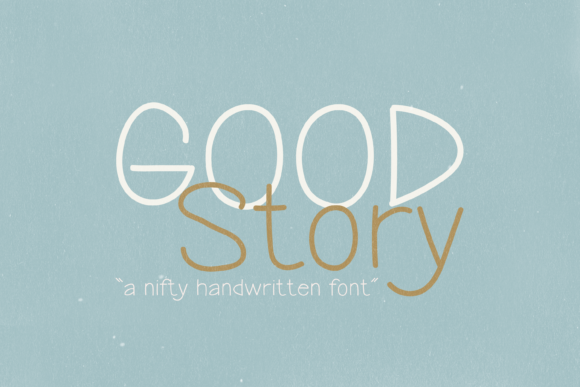
That search led me to Good Story, a Script Handwritten typeface that completely transformed how I presented my products. It wasn’t about overhauling my entire logo or hiring an expensive designer overnight. It was about finding a single, versatile font that could inject personality into every piece of communication, from my Instagram stories to my thank-you cards. If you are looking to make your business look more consistent, polished, and memorable, let me share how this creative font changed my approach to design.
Why Typography Matters More Than You Think
Many entrepreneurs focus heavily on product quality while neglecting visual consistency. But typography is the voice of your brand’s visual identity. When a customer sees your packaging or social media graphic, the font choice subconsciously tells them who you are. A rigid, corporate sans serif might scream efficiency, but it can feel cold. A playful, chaotic script might feel fun but unprofessional. Good Story hits that sweet spot between authentic and approachable.
This handwritten font captures the essence of a personal note. Its authentic look and feel add a realistic, human touch to your designs. In a world dominated by digital screens, seeing text that mimics natural handwriting creates an immediate emotional connection. It feels like a friend wrote it, not a computer generated it. For businesses aiming to build trust and recognition, this subtle shift in tone can significantly impact customer engagement.
From Candle Jars to Coffee Cups: Real-World Applications
Since integrating Good Story into my workflow, I’ve found its versatility impressive. It isn’t just for one specific niche; it adapts beautifully to various industries. Here is how I have used it across different business materials:
- Product Packaging: On my candle jars, I use Good Story for the main product name. Because it is a display font with strong character, it stands out even on small surfaces. It gives the label a boutique, artisanal feel that justifies a premium price point.
- Social Media Graphics: When creating templates for Instagram or Pinterest, I pair Good Story with clean background images. It works perfectly for short quotes, promotional announcements, or highlighting key features. It grabs attention in a scrolling feed without shouting.
- Thank-You Cards: This is where the font truly shines. Printing "Thank You" or a short message like "Made with Love" in Good Story makes every order feel personalized. Customers often keep these cards, which extends the life of your brand in their home.
- Café Menus and Flyers: If you run a food or beverage business, Good Story adds a whimsical touch to daily specials or event flyers. It feels inviting and casual, encouraging customers to relax and enjoy the experience.
The beauty of this Script Handwritten font is that it bridges the gap between decorative accent and readable headline. It is not meant for long paragraphs of body text, but as a primary title or tagline, it delivers maximum impact.
Building a Cohesive Brand Identity
One of the biggest challenges for small business owners is maintaining consistency across all platforms. Whether you are designing a website banner, a business card, or a sticker sheet, using the same core typeface ties everything together. Good Story provides that anchor.
When I redesigned my online shop graphics, I made Good Story the hero font for headers and buttons. This created a unified look that felt professional yet friendly. Customers began to recognize my posts instantly, even before reading the caption. This visual consistency builds brand recall. Over time, when people see that specific handwritten style, they think of your brand. That is the power of strategic typography.
Furthermore, Good Story helps establish a trustworthy persona. While some scripts can feel overly delicate or hard to read, this typeface maintains clarity. It suggests that you pay attention to detail. It shows that you care about the presentation of your work, which translates to confidence in your product quality.
Practical Tips for Using Good Story Effectively
To get the most out of this font, it helps to understand its strengths and limitations. Here are some practical guidelines based on my experience:
- Pairing is Key: Good Story works best when paired with a simple, clean font. A neutral sans serif font or an elegant serif font provides a perfect contrast. The simplicity of the secondary font allows the personality of Good Story to take center stage without creating visual clutter.
- Readability Check: Always test your design at actual size. On mobile screens or small product labels, ensure the text remains legible. Avoid using all caps if the letters become too wide or distorted. Short phrases and titles are ideal.
- Use as a Display Font: Treat Good Story as a display font rather than body text. Use it for headlines, logos, packaging titles, and decorative accents. Keep body copy in a highly readable typeface to ensure your message is clear.
- Leverage Alternates: Check the included styles and alternates in the font file. Many modern fonts offer unique swashes or alternative characters that add extra flair. Experimenting with these can give your designs a custom, editorial design feel.
Technical Considerations for Commercial Use
Before downloading and using any typeface for commercial purposes, it is essential to review the licensing terms. Ensure you have the correct commercial font license if you plan to use Good Story on products, merchandise, templates, client work, or digital downloads. Most high-quality fonts come in multiple file formats, such as OTF and TTF, ensuring compatibility with various design software.
Additionally, check for multilingual support if your business serves international customers. Verifying the inclusion of ligatures and special characters can save you time during the design process. By doing your homework upfront, you protect your business and ensure smooth production workflows.
Elevating Your Everyday Designs
Switching to Good Story was a small change with a big return on investment. It didn’t require a massive budget, but it did require a shift in mindset—from treating design as an afterthought to viewing it as a core part of my brand story. Whether you are a bakery updating its boxes, a beauty brand improving its social media visuals, or an online seller building a consistent identity, the right font can make all the difference.
Your brand has a story to tell. Make sure it looks good. With a tool as accessible and charming as Good Story, you have everything you need to create visuals that resonate, engage, and convert. Start experimenting with your next project, and watch how a simple typographic choice can transform your business presence.